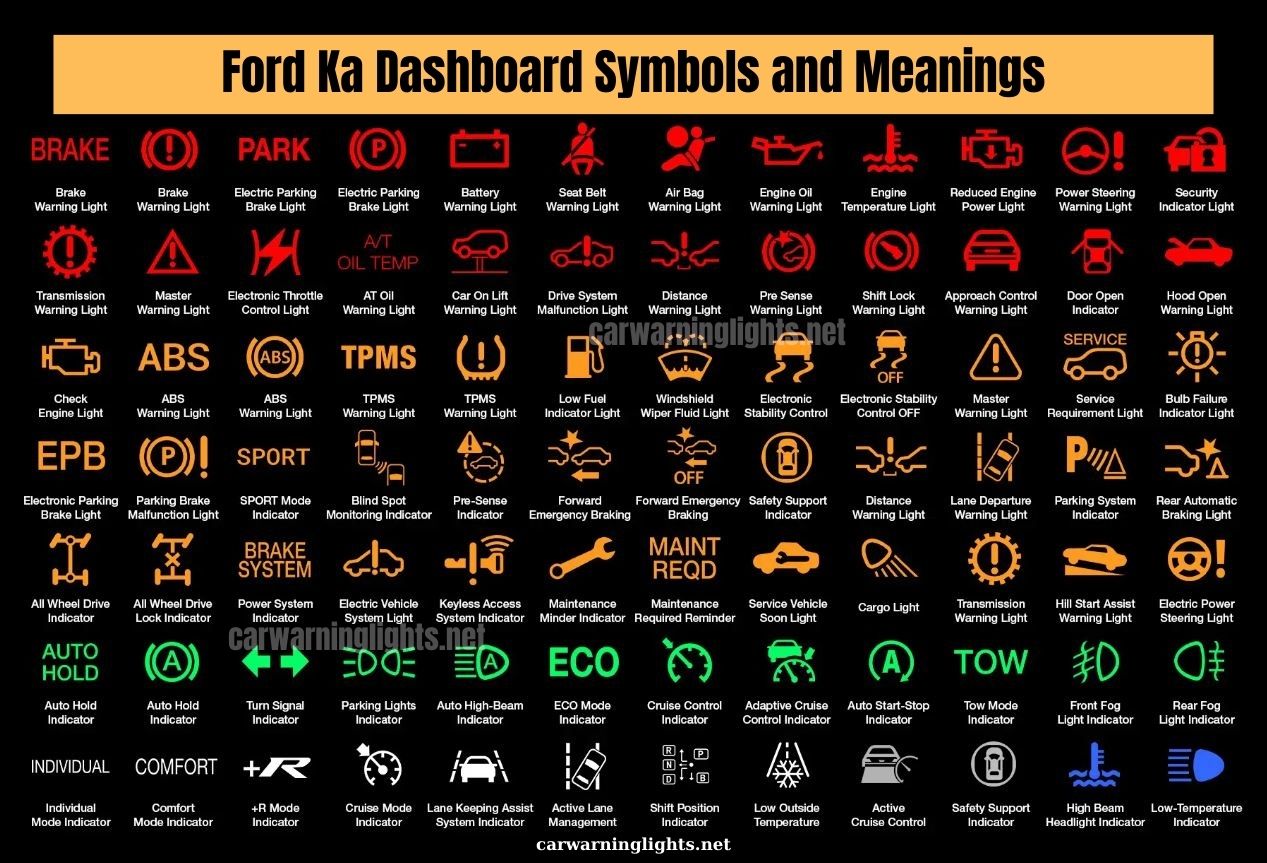

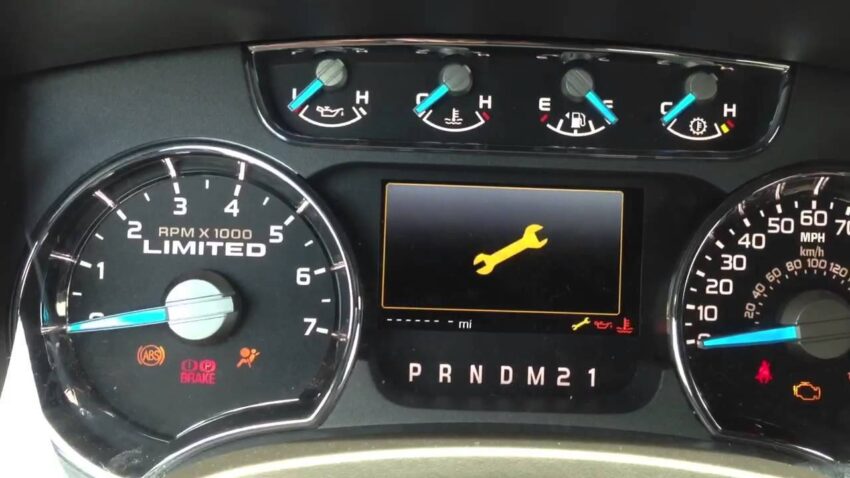
Discovering an unexpected warning symbol on your dashboard can be a stressful experience, especially when your vehicle suddenly loses power. If you drive a Ford truck, SUV, or sedan, one of the most misunderstood indicators is the orange or yellow wrench light.
Unlike a standard check engine light, the wrench symbol is a direct signal from your vehicle’s computer that something is wrong within its core driving mechanics. In this comprehensive guide, we will break down exactly what the Ford wrench light means, its most common causes, estimated repair costs in the United States, and how you can safely diagnose and reset it.
What Does the Wrench Light Mean on a Ford?
The Ford wrench light indicates a Powertrain Fault or an Electronic Throttle Body (ETB) malfunction. Your vehicle’s powertrain consists of the engine, transmission, driveshaft, and all the components that deliver power from the motor to the wheels.
When the Powertrain Control Module (PCM) or the Transmission Control Module (TCM) detects a mechanical or electronic sensor reading that falls outside of safe operating parameters, it illuminates the wrench icon.
Wrench Light vs. Check Engine Light: What’s the Difference?
Sürücülerin en çok kafasını karıştıran durumlardan biri, bu iki ışık arasındaki farktır. Bunları şu şekilde ayırt edebilirsiniz:
-
Check Engine Light (MIL): Typically focuses on emissions control, oxygen sensors, catalytic converters, or minor issues like a loose gas cap. It tells you something is affecting the cleanliness or efficiency of the engine.
-
Wrench Light (Powertrain Fault): Focuses strictly on mechanical performance, drivability, and transmission health. It means the car’s ability to safely move forward is compromised.
Why the Wrench Light Triggers “Limp Mode”
In a vast majority of cases involving Ford models like the F-150, Escape, Explorer, Fusion, and Focus, the appearance of the wrench light is instantly accompanied by a sudden drop in engine power. This condition is officially known as Limp Mode (or Fail-Safe Cooling Mode).
Limp mode is a protective software feature. When a severe powertrain fault occurs, the computer intentionally restricts engine RPMs and limits transmission shifting. This prevents the vehicle from driving at highway speeds, effectively forcing you to “limp” the car to a safe location or a nearby repair shop before catastrophic, irreversible engine or transmission damage occurs.
Top 4 Common Causes of the Ford Wrench Light
If your Ford has illuminated the orange wrench symbol, the root cause almost always boils down to one of these four primary automotive failures:
1. Electronic Throttle Body (ETB) Malfunction
This is arguably the most common culprit behind the Ford wrench light, particularly in models built between 2010 and 2020 (such as the Ford Fusion and Ford Escape). The throttle body controls the amount of air entering the engine based on how hard you press the gas pedal. Over time, internal electronic actuators can fail, or heavy carbon buildup can physically jam the throttle valve. When the computer loses control of the air intake, it throws the wrench light and cuts power for safety.
2. Transmission Slippage or Sensor Faults
Because the transmission is a critical part of the powertrain, any hitch in gear shifting will trigger this light. Common triggers include low transmission fluid levels, faulty torque converters, or failing shift solenoids. If the internal sensors detect that the transmission is “slipping” (the engine spins, but the gears fail to transfer that rotation to the wheels), the wrench light will instantly turn on.
3. Four-Wheel Drive (4WD/AWD) System Errors
For larger vehicles like the Ford F-150 or Ford Explorer, the wrench light can frequently point to a breakdown in the intelligent 4WD or AWD system. Faulty wheel speed sensors, a damaged transfer case actuator, or module communication issues will prevent the vehicle from safely engaging all four wheels, resulting in a dashboard alert.
4. Wiring and PCM Communication Issues
Modern Ford vehicles rely on a complex web of wiring harnesses to let modules talk to one another. Corrosion, a loose ground wire, or a dying 12V car battery can cause voltage drops. When the main Powertrain Control Module (PCM) misses a signal from a vital sensor for even a millisecond, it defaults to a worst-case scenario and triggers the warning.
Is it Safe to Drive with an Orange Wrench Light On?
No, it is not safe to drive long distances with the wrench light illuminated.
If the light turns on while you are driving, you should immediately reduce your speed, stay in the right lane, and find a safe parking lot or shoulder to pull over. Because the vehicle can enter Limp Mode without warning, attempting to merge into fast-moving highway traffic or overtake another vehicle can put you in a highly dangerous situation due to the sudden loss of acceleration.
Estimated Repair Costs in the United States
The cost to fix a Ford wrench light depends entirely on what code is pulled during a diagnostic scan. Below is a breakdown of average dealership and independent mechanic pricing across the US market:
| Service / Replacement Part | Average Parts Cost | Average Labor Cost | Total Estimated Cost |
|---|---|---|---|
|
OBD2 Diagnostic Scan
|
N/A | $80 – $150 | $80 – $150 |
|
Electronic Throttle Body
|
$120 – $220 | $100 – $180 | $220 – $400 |
|
Transmission Fluid Flush & Fill
|
$50 – $90 | $100 – $160 | $150 – $250 |
|
Transmission Shift Solenoid
|
$100 – $200 | $250 – $450 | $350 – $650 |
|
Wheel Speed Sensor (AWD Error)
|
$40 – $90 | $80 – $120 | $120 – $210 |
How to Diagnose and Reset the Ford Wrench Light
If you want to tackle this issue yourself before paying for a tow truck, follow these step-by-step DIY troubleshooting guidelines:
Step 1: The Ignition Reset Trick
Sometimes, the wrench light is caused by a temporary electronic glitch or an anomalous voltage spike.
-
-
Pull over to a safe location and park the vehicle.
-
Turn the ignition completely off, remove the key, and step out of the car.
-
Lock the doors and wait about 5 to 10 minutes. This allows the vehicle’s modules to enter a “sleep mode” and clear temporary memory caches.
-
Restart the engine. If the light disappears, it may have been a temporary glitch—though you should still remain cautious.
-
Step 2: Perform a Visual Under-Hood Inspection
Pop the hood and check the basics. Verify that your battery terminals are free of corrosion and tightly fastened. Next, check your engine oil and transmission fluid levels (if your model has a transmission dipstick). Low fluids can easily starve mechanical parts and trigger sensors.
Step 3: Use an OBD2 Scanner (The Ultimate Solution)
To truly find out why the light is on, you need to read the fault codes stored in the car’s computer.
-
-
Locate the OBD2 port underneath the driver-side dashboard.
-
Plug in a standard OBD2 diagnostic scanner (you can buy these at stores like AutoZone, O’Reilly, or Amazon for around $30-$50).
-
Turn the vehicle’s ignition to the “ON” position without starting the engine.
-
Scan for codes. For a Ford wrench light, look out for specific powertrain codes such as P2111 or P2112 (Throttle Actuator Control System stuck open/closed) or transmission codes ranging from P0700 to P0799.
-
Once you record the codes, you can use the scanner’s “Clear/Reset Codes” function to turn the dashboard light off.
-
Note: If the underlying mechanical problem (like a failing throttle body) is not physically repaired, the computer will re-detect the failure and turn the wrench light back on within a few miles of driving.
Next Steps for Ford Owners
The orange wrench symbol should never be ignored. Catching a throttle body issue or a transmission sensor fault early can save you thousands of dollars in major mechanical overhauls down the road.
Are you looking for specific instructions tailored to your exact vehicle model year? Check out our model-specific diagnostic directories for the Ford F-150 Truck Hub and the Ford Explorer SUV Guide to discover chronic powertrain issues unique to your ride.